Commercial Epoxy Flooring in Boise
Purpose-built concrete coating systems for Boise retail, service, light industrial, warehouse, office, and property-management environments.
Flooring That Supports the Business
Commercial flooring has to do more than look clean on opening day. It must support traffic, equipment, housekeeping, safety goals, customer impressions, and operational schedules. Boise Epoxy works with business owners and property professionals to match coating systems to the actual demands of a facility. A boutique showroom, auto service bay, restaurant support space, warehouse aisle, and apartment maintenance room each call for different balances of texture, chemical resistance, appearance, and cleanability.
Planning begins with how the area functions. Important questions include what crosses the floor, what may spill, how the space is cleaned, whether customers see it, where water collects, and how long the area can be taken out of service. Existing slab conditions and previous coatings are also documented. A clear understanding of these details reduces change orders and helps stakeholders compare system options on performance rather than price alone.
Retail & Showrooms
Create a polished customer-facing environment with color and sheen coordinated to the brand and interior design.
Shops & Service Bays
Specify abrasion, chemical, and traction characteristics around tools, vehicles, fluids, and frequent cleanup.
Warehouses & Back Rooms
Improve dust control, visibility, maintenance, and defined workflow areas on working concrete floors.
Preparation, Repairs, and Phased Installation
Commercial slabs often contain multiple chapters of building history: patches, adhesive residue, old paint, worn traffic lanes, trench repairs, and areas contaminated by operations. Mechanical preparation is essential for creating a uniform profile and identifying areas that require special treatment. The repair plan should address cracks, spalls, divots, transitions, and joints in a way that fits the intended system and facility use.
Many businesses cannot close an entire facility at once. Phasing can keep critical paths open, although transitions and cure windows must be coordinated carefully. Boise Epoxy can organize scope by room, zone, or operational priority when the project allows. Owners should identify equipment moves, access restrictions, fire or security procedures, and required completion windows early so those factors become part of the installation plan.
Cleanability, Traction, and Appearance
A seamless coated surface can reduce dusting and eliminate many of the grout lines or seams that trap debris in other flooring types. However, greater texture can make mopping more demanding, while a very smooth finish may be less suitable where liquids are common. Commercial coating design is therefore a balance. Aggregate size, broadcast rate, topcoat build, and finish can be adjusted to support the risk profile and cleaning method.
Color also serves practical purposes. Light finishes can improve brightness and reveal debris, darker tones may disguise certain marks, and contrasting boundaries can help identify walkways or work areas. Decorative flake can soften the appearance of a customer-facing room, while solid colors suit functional zones and safety markings. Boise Epoxy discusses these priorities with the people who use and maintain the building.
A Clear Scope for Boise Facility Owners
A professional commercial proposal should identify square footage assumptions, preparation method, repair allowances, the coating build, optional texture, color, topcoat, and anticipated schedule. It should also clarify exclusions such as moisture remediation, structural movement, equipment relocation, or conditions hidden beneath existing flooring. This detail protects both the property owner and installer by making expectations visible before work begins.
Boise Epoxy serves commercial projects across Boise, Meridian, Eagle, Garden City, and the wider Treasure Valley. Early planning is especially valuable for tenant improvements, turnovers, seasonal shutdowns, and new business openings. Contact the team with drawings, photographs, site conditions, and the target completion date so the first conversation can focus on feasible system choices and scheduling.
Commercial and Industrial Concrete Coating Systems
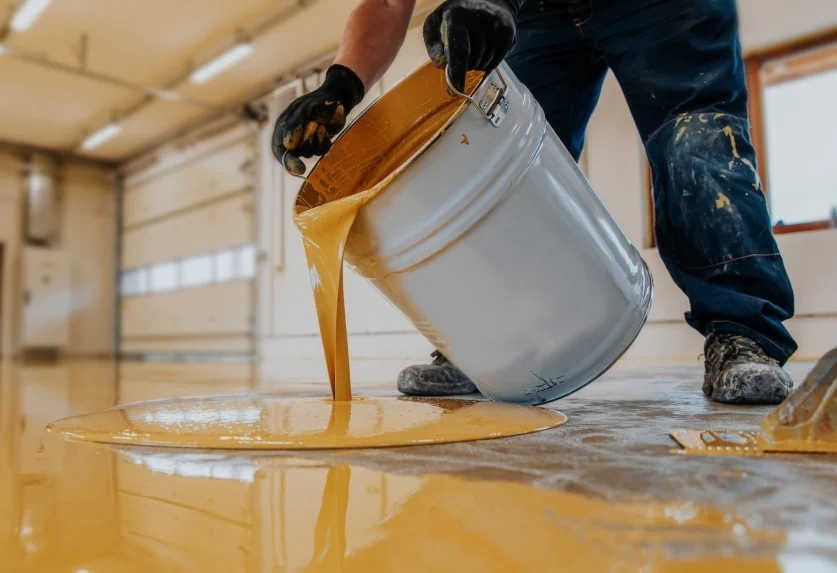
Retail floors, service areas, warehouses, and production shops need systems matched to traffic, chemicals, cleaning routines, and shutdown windows. Commercial specifications may include diamond grinding concrete prep, concrete repairs, 100% solids epoxy, decorative flake systems, or polyaspartic topcoats. The layer schedule and film build should reflect the facility’s actual operating demands.
Chemical and oil stain resistance is especially important in automotive, maintenance, and light-industrial environments. UV-stable non-yellowing topcoats can support areas exposed to daylight, while slip-resistant anti-skid textures improve traction in wet or spill-prone zones. Boise Epoxy evaluates commercial concrete in Boise, Meridian, Eagle, Garden City, Kuna, Star, Nampa, Caldwell, Ada County, and across the Treasure Valley.
Plan a Better Concrete Surface
Tell Boise Epoxy how the space is used, what condition the slab is in, and the look you want. A project-specific recommendation starts with the concrete—not a one-size-fits-all coating package.
Frequently Asked Questions
Can installation be completed in phases?
Often yes, depending on access, cure requirements, transitions, and business operations. Phasing should be planned before final scope and scheduling.
Do commercial coatings require maintenance?
Yes. Routine sweeping, compatible cleaning products, prompt spill response, and periodic inspection help preserve appearance and performance.
Can safety lines or separate zones be added?
Many systems can incorporate contrasting colors, markings, or designated areas. The exact approach depends on the coating and operational needs.
Do you coat new concrete?
New slabs may be coated after appropriate cure, moisture evaluation, surface preparation, and coordination with other construction activities.
Commercial Planning for Treasure Valley Facilities
Boise-area businesses should involve operations and maintenance staff early because they often understand the floor better than anyone else. They know where carts turn, where water collects, which chemicals are used, and which doors cannot be blocked. A short walkthrough with those employees can reveal priorities that are missing from architectural plans. This information supports more useful choices about texture, color, repair detail, and installation sequence.
In Meridian retail corridors, Garden City workshops, Eagle customer spaces, and Boise warehouses, downtime has a real cost. The coating schedule must include preparation, application, cure, inspection, and the safe return of equipment—not just the hours when installers are present. Build contingency into the plan for hidden slab conditions and coordinate deliveries or staff access around the cure window.
After installation, assign responsibility for floor care. Provide the maintenance team with compatible cleaners, tools, spill procedures, and the project record. Aggressive solvents, abrasive pads, or unapproved machinery can change a coating’s appearance. Simple written guidance helps a commercial epoxy floor remain consistent across employee shifts and tenant changes. For multi-site owners, the same documentation can become a useful standard for future Treasure Valley locations.